
Exploring Ayurveda: Ancient Wisdom for Modern Wellness
In a fast-paced world driven by technological advancements and modern medicine, there is a growing interest in traditional systems of healing and wellness. Ayurveda, often referred to as the “Science of Life,” is one such ancient system that has captured the imagination of people around the world. Rooted in the Indian subcontinent for over 5,000 years, Ayurveda offers a holistic approach to health and well-being. In this article, we will delve into the fundamentals of Ayurveda, its core principles, and how it continues to find relevance in our modern lives.
Understanding Ayurveda
Ayurveda, a word derived from Sanskrit, is a combination of “ayur,” which means life, and “veda,” which means knowledge or science. It embodies the knowledge of life, focusing on the physical, mental, emotional, and spiritual aspects of well-being. The fundamental belief of Ayurveda is that the balance of energies and elements within the body is crucial for health and longevity.
Core Principles
- The Doshas: Ayurveda divides individuals into three primary body types or “doshas”: Vata, Pitta, and Kapha. These doshas represent different combinations of the five elements – earth, water, fire, air, and ether. Understanding one’s dominant dosha helps in tailoring diet, lifestyle, and therapies to maintain balance.
- Holistic Health: Ayurveda treats the individual as a whole, not just addressing specific symptoms. It acknowledges that physical health is closely linked to emotional, mental, and spiritual well-being. To achieve optimal health, Ayurveda suggests focusing on balance in all aspects of life.
- Personalized Approach: One of Ayurveda’s strengths is its personalized approach to health. No single remedy or diet suits everyone. Instead, treatments and recommendations are based on an individual’s unique constitution, imbalances, and environmental factors.
- Natural Healing: Ayurveda relies on natural remedies derived from plants, herbs, and minerals. These remedies are designed to support the body’s innate healing capabilities. Popular Ayurvedic treatments include herbal medicine, dietary modifications, yoga, meditation, and various detoxification therapies.
Ayurveda in Modern Times
Ayurveda’s ancient wisdom is not merely a relic of the past. In our fast-paced, stress-filled world, it continues to offer valuable insights into maintaining health and balance. Here are a few ways in which Ayurveda is finding relevance in modern times:
- Holistic Wellness: Ayurveda’s holistic approach resonates with individuals seeking a comprehensive understanding of their well-being. It encourages mindfulness, stress reduction, and self-care practices that are essential for contemporary life.
- Preventive Healthcare: Ayurveda emphasizes the importance of prevention over cure. By recognizing imbalances in the body and mind before they manifest as diseases, it can help individuals take proactive steps to maintain health.
- Dietary Awareness: The Ayurvedic diet is gaining popularity, with many people incorporating its principles into their eating habits. Ayurvedic nutrition considers not only what you eat but how you eat and when you eat, making it a valuable tool in the quest for a balanced diet.
- Complementary Medicine: Ayurveda is often used alongside modern medicine as a complementary system. Many individuals find relief from chronic conditions and a better quality of life by integrating Ayurvedic practices into their healthcare routine.
- Stress Management: In a world filled with stress, Ayurveda offers various stress management techniques such as meditation, yoga, and relaxation practices. These tools can help alleviate stress-related ailments and enhance overall well-being.
Ayurveda’s ancient wisdom provides a profound and timeless guide to a balanced, healthy, and fulfilling life. As modern society grapples with the challenges of fast-paced living, stress, and lifestyle-related illnesses, Ayurveda’s holistic approach continues to gain recognition and importance. By embracing its principles and practices, individuals can harmonize their physical, mental, emotional, and spiritual aspects to lead healthier and more meaningful lives. Ayurveda stands as a beacon of wisdom, offering a path to well-being and balance in an ever-changing world.
Understanding Chakras
Chakras are spinning wheels of energy located along the spine, each associated with different aspects of our physical, emotional, and spiritual selves. There are seven primary chakras, each aligned with specific bodily systems and qualities:
- Root Chakra (Muladhara) – Associated with the base of the spine, grounding, and stability.
- Sacral Chakra (Svadhisthana) – Connected to creativity, emotions, and sensuality.
- Solar Plexus Chakra (Manipura) – Governing self-esteem and personal power.
- Heart Chakra (Anahata) – Associated with love, compassion, and relationships.
- Throat Chakra (Vishuddha) – Concerned with communication and self-expression.
- Third Eye Chakra (Ajna) – Linked to intuition, insight, and perception.
- Crown Chakra (Sahasrara) – Governing spirituality and connection to the divine.
Ayurveda and Chakras
Ayurveda and the chakra system share a common understanding of the interconnectedness of the body, mind, and spirit. Ayurveda identifies the doshas (Vata, Pitta, Kapha) and their imbalances, which are intimately linked to the chakras. When the doshas are balanced, the chakras are more likely to be in harmony, and vice versa. Ayurveda provides guidance on diet, lifestyle, and herbal remedies to restore this balance and support optimal chakra function.
Crystal Meditation for Chakras
Crystal meditation is a practice that involves using specific gemstones and crystals to align and cleanse the chakras. Each chakra is associated with a particular type of crystal based on its color and properties. By placing these crystals on the corresponding chakra points or holding them during meditation, individuals can facilitate the flow of energy and promote balance. For example, amethyst is often used for the crown chakra, while rose quartz is associated with the heart chakra.
When Ayurveda and crystal meditation are combined, the two systems complement and enhance each other. Together, Ayurveda and crystal meditation address physical, mental, and spiritual aspects of well-being. They support holistic healing by aligning chakras and balancing the doshas.
By embracing the wisdom of Ayurveda to address doshic imbalances and incorporating the healing power of crystals, individuals can enhance their physical, emotional, and spiritual health. Whether you are seeking greater self-awareness, emotional balance, or spiritual growth, the synergy between Ayurveda and crystal meditation provides a powerful pathway to harmonizing your chakras and achieving a state of well-rounded wellness.
Main Chakras  ↗
↗

The vital energy centers that traverse the body.
Meditation ↗

The fusion of mantras and stones in meditation.
Crystals ↗

Magical crystals for unblock and balance your chakras.
Harmonious Fusion for Healing ↗

The union of chakra stones and Reiki symbols represents a harmonious fusion that holds the potential to facilitate deep healing and spiritual growth.
Chakra Symbol Meanings ↗
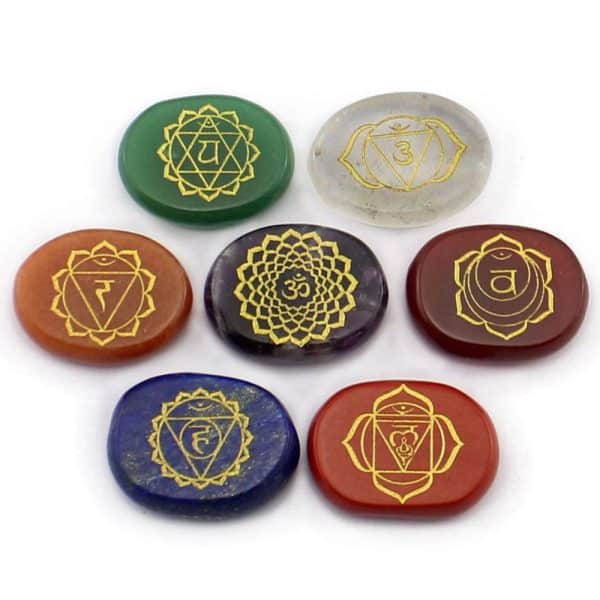
All seven chakra symbols are designed in a circular form, resembling mandalas, which hold significance in revealing our connection to the cosmos.
Meditation with Clear Quartz in Reiki↗

Clear Quartz crystal during a Reiki session can deepen the connection to healing energies, amplify intentions, and facilitate a more profound meditative experience.