
Reiki is a gentle, holistic healing practice that promotes physical, emotional, and spiritual balance. Central to this ancient practice are several powerful symbols, each with its own unique meaning and purpose. These Usui Reiki symbols are not just abstract images; they are valuable tools that help enhance the flow of healing energy (also called “qi” or “chi”) within a person. Whether you’re a seasoned Reiki practitioner or new to this spiritual path, understanding these symbols can deepen your connection to Reiki energy.
Let’s explore five of the most important Usui Reiki symbols: Cho Ku Rei, Sei Hei Ki, Hon Sha Ze Sho Nen, Dai Ko Myo, and Raku. Each serves a special function and can be used to support various healing goals.
 The “Cho Ku Rei” Reiki Symbol
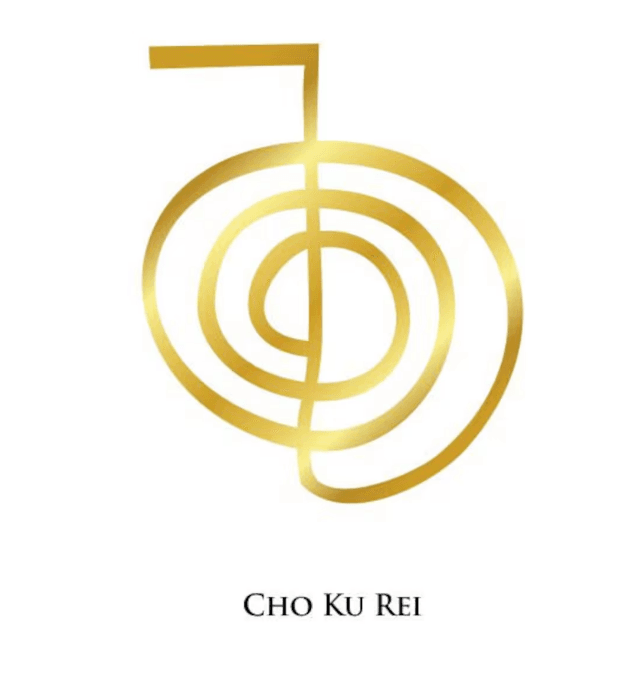 The “Cho Ku Rei” Reiki Symbol
Translation: “Placing all the power of the Universe here, now.”
Appearance: A straight line with a spiral at the base.
When to Use: At the start of a Reiki session.
Cho Ku Rei is known as the power symbol. It helps practitioners access the universal life force and direct it wherever healing is needed. Simply drawing the symbol in the air or visualizing it can activate its energy. The direction in which it’s drawn matters, as it can either increase or decrease the energy flow. Think of it as a “switch” that turns the healing energy on or off.
Many Reiki practitioners also use Cho Ku Rei as a form of protection. By visualizing this symbol around yourself or a client, you can create a positive energy shield that blocks negative forces. It’s also excellent for clearing energy blockages, balancing chakras, and enhancing the overall healing process.
Cho Ku Rei is a versatile symbol that can be used on its own or combined with others to create a more powerful effect.
Crystal: Clear Quartz – As a master healer, Clear Quartz amplifies energy and intentions, making it an ideal crystal to enhance Cho Ku Rei’s power-boosting effects.
 The “Sei Hei Ki” Reiki Symbol
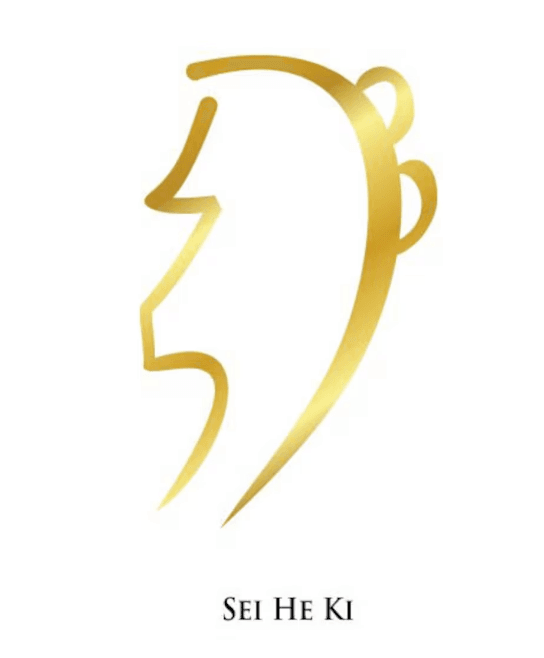 The “Sei Hei Ki” Reiki Symbol
Translation: “God and man become one.”
Appearance: A backward “Z” combined with a “5” and two arcs.
When to Use: Anytime you want to promote emotional or mental healing.
Sei Hei Ki is the emotional and mental healing symbol. It helps release negative emotions like fear, anxiety, and anger, creating emotional balance and mental clarity. By visualizing the symbol over a person or area of the body, you can activate its healing energy to treat emotional wounds.
Many Reiki practitioners use Sei Hei Ki to support clients dealing with depression, addiction, or stress. Additionally, this symbol is known to bring harmony to the brain’s left and right hemispheres, unlocking creativity, intuition, and spiritual growth.
One unique aspect of Sei Hei Ki is its ability to connect the conscious and subconscious mind, making it a powerful tool for addressing deep-rooted emotional issues. Placing this symbol under your pillow or drawing it on paper can help you experience its healing effects even during sleep.
Crystal: Amethyst – Known for its calming and balancing properties, Amethyst can help soothe the mind and release negative emotions, making it the perfect companion for Sei He Ki.
![]() The “Hon Sha Ze Sho Nen” Reiki Symbol
The “Hon Sha Ze Sho Nen” Reiki Symbol
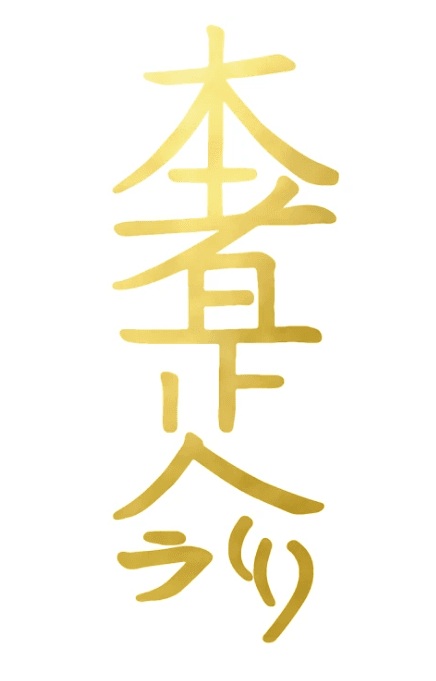 The “Hon Sha Ze Sho Nen” Reiki Symbol
Translation: “Without past, present, or future.”
Appearance: A complex arrangement of Japanese Kanji strokes.
When to Use: For distance healing or to heal past traumas.
Hon Sha Ze Sho Nen is the distance symbol in Reiki. It allows practitioners to send healing energy across time and space, making it ideal for long-distance treatments. If you want to send Reiki to someone who isn’t physically present, this is the symbol to use. You can also use it to heal past traumas or connect with future events, bringing healing to unresolved issues.
Beyond its ability to transcend physical boundaries, Hon Sha Ze Sho Nen helps balance the energy within different parts of the body. This symbol is also valuable for spiritual growth, helping practitioners connect with their inner child, past lives, or even deceased loved ones. By visualizing the symbol or drawing it over an affected area, you can help release negative energies from the past and promote inner peace.
Crystal: Labradorite – Known as a stone of transformation and protection, Labradorite supports energy work across time and space, enhancing the effects of Hon Sha Ze Sho Nen.
![]() The “Dai Ko Myo” Reiki Symbol
The “Dai Ko Myo” Reiki Symbol
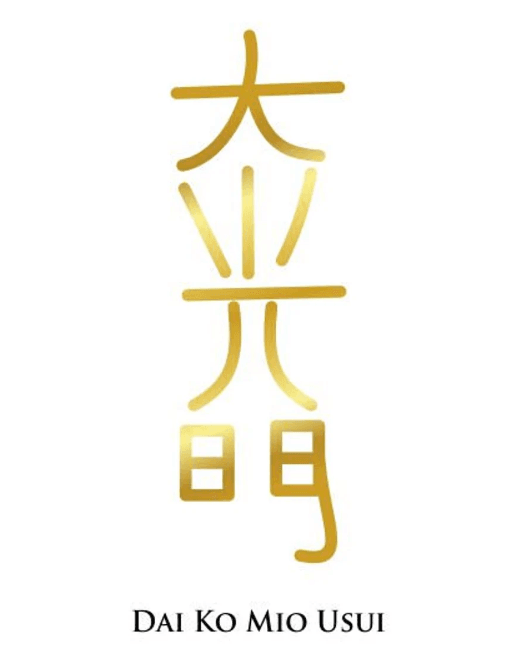 The “Dai Ko Myo” Reiki Symbol
Translation: “Great Shining Light.”
Appearance: Lines radiating outward, or spirals and horizontal lines (Tibetan variant).
When to Use: For deep spiritual healing and enlightenment.
Dai Ko Myo is the most sacred and powerful symbol in Usui Reiki. It connects practitioners to divine energy and helps them access higher levels of spiritual consciousness. Many Reiki Masters use Dai Ko Myo to guide spiritual growth, foster enlightenment, and connect with the divine.
This symbol also has powerful healing properties. By visualizing it, a Reiki practitioner can channel energy to assist with physical healing, emotional balance, and clearing energetic blockages. Dai Ko Myo can amplify the power of other Reiki symbols, making it essential for advanced Reiki practices.
Interestingly, Dai Ko Myo is often used for healing the healer. Its divine energy not only helps the practitioner provide healing to others but also nourishes their own spirit.
Crystal: Selenite – As a stone that connects to higher realms and divine light, Selenite works harmoniously with Dai Ko Mio to support deep spiritual healing and enlightenment.
![]() The “Raku” Reiki Symbol
The “Raku” Reiki Symbol
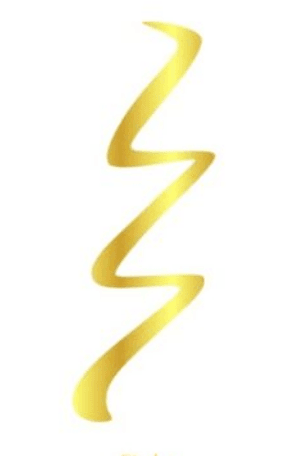 The “Raku” Reiki Symbol
Translation: “Fire Serpent.”
Appearance: A jagged lightning bolt.
When to Use: During the final stages of attunement or to ground energy.
Raku is a grounding symbol used mainly during the final stage of Reiki attunements. Although it’s not part of traditional Usui Reiki, many practitioners use it to seal the healing energy and promote a sense of balance and stability. It’s typically drawn from the head to the ground, helping to settle and secure the Reiki energy.
Raku is also used to help release old emotional patterns or habits that no longer serve a person’s growth. By visualizing or drawing this symbol, a practitioner can help clients let go of negative emotions and promote inner peace. Raku can also act as a shield, protecting both the practitioner and the client from negative energy.
Crystal: Hematite – Known for its grounding properties, Hematite enhances Raku’s ability to stabilize and anchor energy after healing sessions.
Reiki symbols, while powerful, are not magical by themselves. They are tools designed to help the practitioner focus and direct healing energy more effectively. However, the real power comes from the practitioner’s intention and connection to the universal life force.
Using Reiki symbols together can create a more profound healing experience. For example, combining Cho Ku Rei with Sei Hei Ki can help clear both physical and emotional energy blockages. Each symbol has its own purpose, but they work in harmony to enhance the flow of Reiki energy.
Also, while symbols play a significant role, they are not essential to Reiki practice. You don’t need to be a Reiki Master or even a practitioner to benefit from Reiki’s healing energy. Simply being open to the energy and setting a positive intention is enough to invite the benefits of Reiki into your life.
In summary, Reiki symbols offer practitioners a deeper connection to healing energy. Whether you’re looking for physical healing, emotional support, or spiritual growth, these symbols can guide you toward a more balanced and peaceful life. Embrace their power, but always remember that your intention and connection to the energy is what matters most.